Dating Anxiety Is Not Just Nervousness
Why some people freeze at the idea of intimacy—and how to gently rewire the patterns keeping love at a distance.
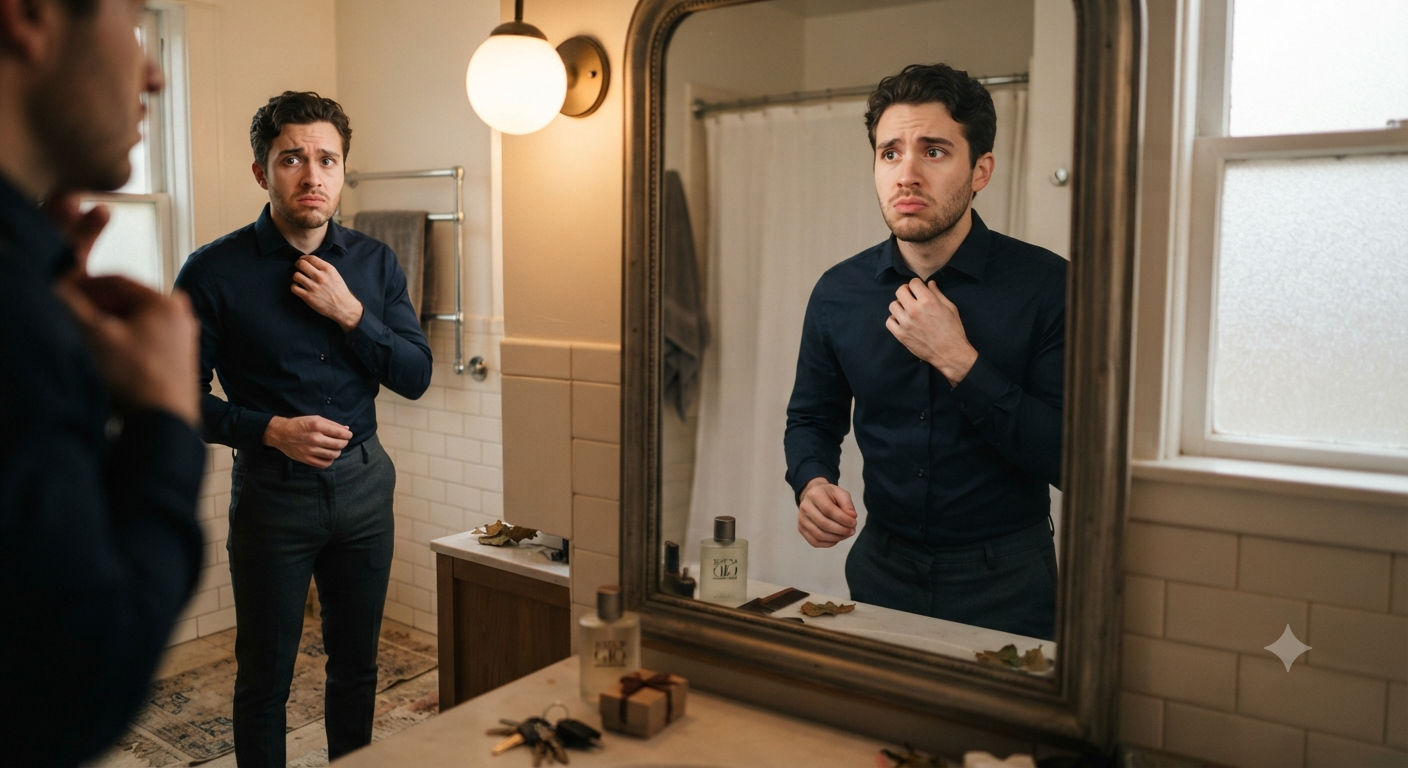
Dating is often described as exciting, fun, and romantic. But for many people, dating can bring up something very different: fear. The thought of meeting someone new, becoming vulnerable, being rejected, or allowing another person to get emotionally close can create an overwhelming response. Sometimes that response looks like nervousness. Other times, it looks like avoidance, overthinking, shutting down, or simply disappearing from the dating world altogether. Dating anxiety isn't always about being nervous before a first date. Sometimes it's the body's way of saying, "This feels unsafe." And that response can have roots much deeper than the person realizes.
For some people, intimacy has become associated with disappointment, rejection, betrayal, criticism, abandonment, or loss. Past relationships can leave emotional patterns behind, even when we consciously believe we've moved on. You may genuinely want a loving relationship while another part of you is quietly trying to protect you from getting hurt again. This can create an interesting conflict: your mind says, "I want connection," while your nervous system says, "Stay away."
This is one reason someone can repeatedly say they want a relationship but find themselves choosing emotionally unavailable partners, ending relationships when things become serious, constantly looking for flaws, or avoiding dating altogether. It isn't necessarily because they don't want love. Sometimes they want it so badly that the possibility of losing it feels frightening.
Fear can show up in surprisingly subtle ways. You might spend hours analyzing someone's text message. You might worry about whether they really like you. You might convince yourself they're going to lose interest. You might become hyper-focused on small imperfections. You might feel an intense need to know where the relationship is going before you've even had a chance to enjoy getting to know the person.
And sometimes, instead of moving toward connection, you pull away.
This doesn't mean you're broken. It means you've developed a protective pattern.
The brain is remarkably good at learning from experience. When something has caused emotional pain in the past, the mind can become very good at looking for signs that the same thing might happen again. Unfortunately, those protective patterns don't always know the difference between a genuine threat and the possibility of emotional discomfort.
That is where awareness becomes powerful.
Before we can change a pattern, we have to notice it.
Ask yourself: What happens inside me when someone begins getting close? Do I become excited, or do I immediately start looking for reasons it won't work? Do I feel comfortable expressing what I need? Do I expect rejection before I've actually experienced it? Do I find myself attracted to people who cannot fully show up for me?
These questions aren't meant to judge you. They're invitations to become curious about yourself.
Changing these patterns also doesn't mean forcing yourself into situations that feel overwhelming. Gentle change is often more effective than trying to push yourself through fear. Instead of demanding that you suddenly become comfortable with intimacy, you can begin by creating small experiences of safety, honesty, and connection.
Maybe that means allowing someone to know a little more about you. Maybe that means expressing a preference instead of automatically saying, "Whatever you want." Maybe that means staying present during a difficult conversation instead of immediately shutting down. Maybe that means noticing the urge to run away and simply taking a breath before deciding what to do.
These small moments matter.
They teach your mind and body that closeness doesn't always have to mean losing yourself.
Healthy intimacy isn't about becoming completely dependent on another person. It's about being able to remain connected to yourself while allowing another person to know you.
And that can take practice.
For some people, coaching, mindfulness, therapeutic work, or other supportive approaches can help uncover the beliefs and patterns underneath dating anxiety. Hypnosis and other mind-body approaches may also be useful for some people as part of a broader process of changing automatic responses and building a greater sense of confidence and safety.
The goal isn't to eliminate every uncomfortable feeling. Dating will always involve uncertainty. You can't completely protect yourself from rejection, disappointment, or heartbreak.
The goal is to become more comfortable with uncertainty without allowing fear to make every decision for you.
Because love requires a certain amount of vulnerability.
You don't have to stop being cautious. You don't have to ignore your boundaries. You don't have to force yourself to trust someone who hasn't earned it.
But you can learn to recognize the difference between a healthy boundary and a fear-based wall.
Sometimes the person standing between you and the relationship you want isn't another person.
Sometimes it's an old story you've been carrying about yourself.
"I'm not enough."
"I'm too much."
"Nobody will stay."
"I'll get hurt again."
"I'm better off alone."
Those stories may have once helped you survive something difficult. But you don't have to keep living by them forever.
Awakening begins when you become willing to question the stories that have been running your life.
And sometimes, the first step toward love isn't finding someone else.
It's learning to feel safe enough to let yourself be seen.